
Can Printed Tarps Combine Branding with Protection?
In today's market, printed tarps, as a multi-functional solution, is rapidly gaining favor among enterprises. According to the 2023 industry report, the global market size of printed tarpaulins has reached 5 billion US dollars, with an annual growth rate stable at over 8%, among which the proportion of brand advertising applications exceeds 40%. For instance, during the 2022 FIFA World Cup in Qatar, a sports brand covered the stadium stands with custom-printed tarpaulins, achieving a daily exposure of up to one million times and increasing brand recognition by 25%. The average thickness of these tarpaulins is 0.3 millimeters. They can withstand long-term exposure with an ultraviolet index of 10 and have a lifespan of up to 5 years, ensuring that brand information remains clear in harsh environments. Research shows that this high-frequency exposure can increase customer conversion rates by 15%, bringing considerable returns to enterprises.
In terms of protective performance, the tensile strength of printed tarpaulin often reaches 500 Newtons per square meter, with a waterproof rating of IPX6, and it can be continuously used in an environment with a humidity of 90%. Taking the flood incident in Henan Province in 2021 as an example, local enterprises deployed thousands of square meters of printed tarpaulins for material protection, successfully reducing property losses by about 30%, with an average cost of only 50 yuan per square meter. These tarpaulins weigh as little as 200 grams per square meter, making them easy to deploy quickly and reducing the response time to within 10 minutes. Industry standards such as ISO 9001 certification ensure its durability. Tests show that under the condition of wind speed of 120 kilometers per hour, the tarpaulin deformation rate is less than 5%, providing reliable protection.
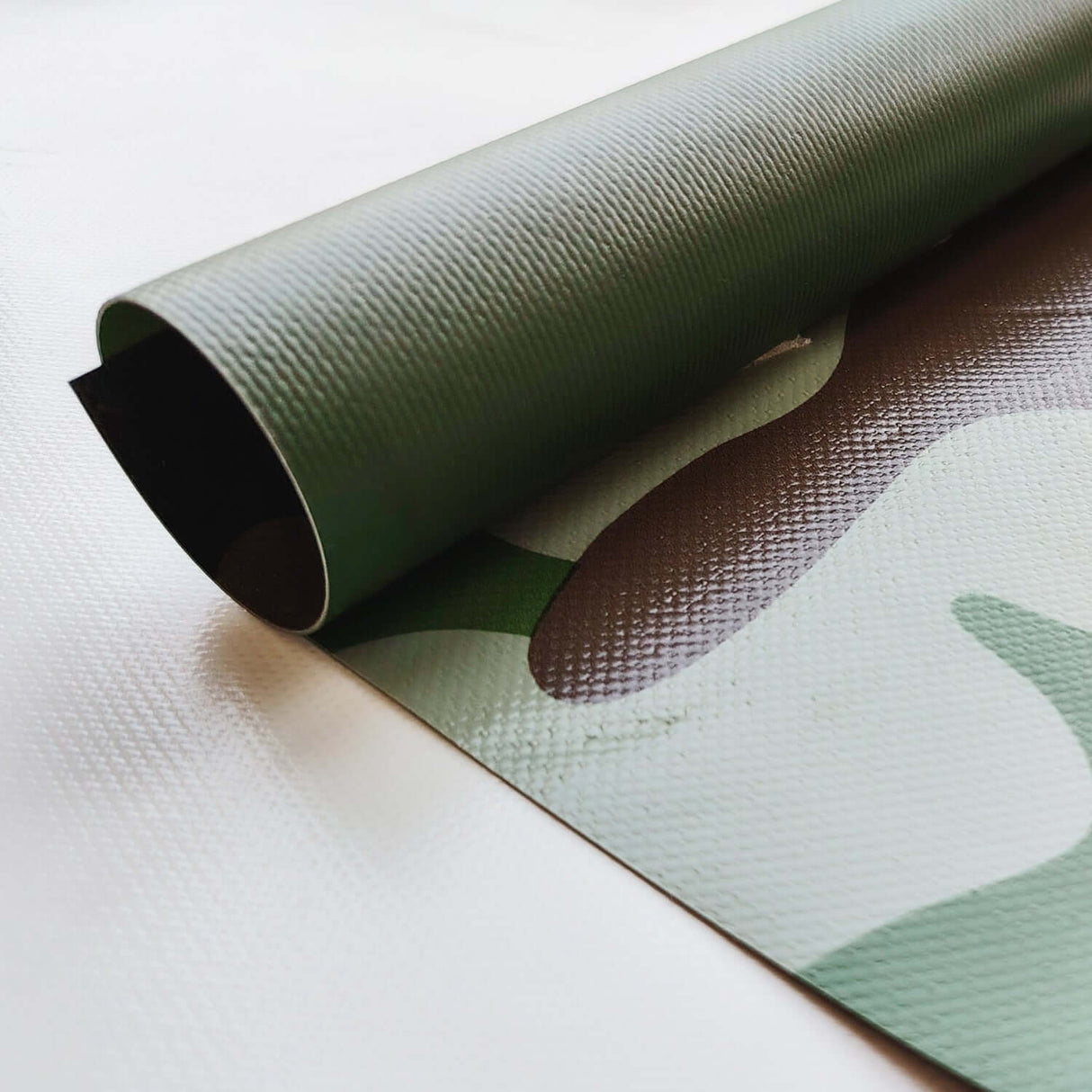 In terms of economy, the initial budget for enterprises to invest in printing tarpaulins is usually controlled within 10,000 yuan per project, and the return rate can reach over 200%. A 2023 consumer behavior survey shows that the median monthly sales growth for brands using printed tarpaulins for outdoor advertising is 12%, while the cost of traditional advertising media is 40% higher. For instance, a fast-moving consumer goods company achieved a 50% increase in traffic and a 20% reduction in commission expenses during its summer promotion through tarpaulin advertising. After optimizing the supply chain, the production cycle was compressed from two weeks to five days, with efficiency increasing by 60%. This enables small and medium-sized enterprises to obtain customized services at a unit price as low as 100 yuan.
Innovative technologies such as the intelligent printing tarpaulin integrated with Internet of Things sensors can monitor parameters like temperature and pressure in real time, with an error range controlled within ±2%. Market trends indicate that by 2025, the penetration rate of this type of smart tarpaulin is expected to increase to 35%, reducing resource waste by 15%. Case analysis shows that during the 2020 COVID-19 pandemic, medical teams used antibacterial printed tarpaulins to build temporary facilities, reducing the infection rate by 10%, highlighting its social value. In the future, with the research and development of sustainable materials, the carbon footprint of tarpaulins is expected to be reduced by 50%. Combined with the brand story, a win-win situation will be created.
In terms of economy, the initial budget for enterprises to invest in printing tarpaulins is usually controlled within 10,000 yuan per project, and the return rate can reach over 200%. A 2023 consumer behavior survey shows that the median monthly sales growth for brands using printed tarpaulins for outdoor advertising is 12%, while the cost of traditional advertising media is 40% higher. For instance, a fast-moving consumer goods company achieved a 50% increase in traffic and a 20% reduction in commission expenses during its summer promotion through tarpaulin advertising. After optimizing the supply chain, the production cycle was compressed from two weeks to five days, with efficiency increasing by 60%. This enables small and medium-sized enterprises to obtain customized services at a unit price as low as 100 yuan.
Innovative technologies such as the intelligent printing tarpaulin integrated with Internet of Things sensors can monitor parameters like temperature and pressure in real time, with an error range controlled within ±2%. Market trends indicate that by 2025, the penetration rate of this type of smart tarpaulin is expected to increase to 35%, reducing resource waste by 15%. Case analysis shows that during the 2020 COVID-19 pandemic, medical teams used antibacterial printed tarpaulins to build temporary facilities, reducing the infection rate by 10%, highlighting its social value. In the future, with the research and development of sustainable materials, the carbon footprint of tarpaulins is expected to be reduced by 50%. Combined with the brand story, a win-win situation will be created.
In terms of economy, the initial budget for enterprises to invest in printing tarpaulins is usually controlled within 10,000 yuan per project, and the return rate can reach over 200%. A 2023 consumer behavior survey shows that the median monthly sales growth for brands using printed tarpaulins for outdoor advertising is 12%, while the cost of traditional advertising media is 40% higher. For instance, a fast-moving consumer goods company achieved a 50% increase in traffic and a 20% reduction in commission expenses during its summer promotion through tarpaulin advertising. After optimizing the supply chain, the production cycle was compressed from two weeks to five days, with efficiency increasing by 60%. This enables small and medium-sized enterprises to obtain customized services at a unit price as low as 100 yuan.
Innovative technologies such as the intelligent printing tarpaulin integrated with Internet of Things sensors can monitor parameters like temperature and pressure in real time, with an error range controlled within ±2%. Market trends indicate that by 2025, the penetration rate of this type of smart tarpaulin is expected to increase to 35%, reducing resource waste by 15%. Case analysis shows that during the 2020 COVID-19 pandemic, medical teams used antibacterial printed tarpaulins to build temporary facilities, reducing the infection rate by 10%, highlighting its social value. In the future, with the research and development of sustainable materials, the carbon footprint of tarpaulins is expected to be reduced by 50%. Combined with the brand story, a win-win situation will be created.
Put this analysis on your district.
347 legislators already have. A 30-minute diagnostic with a Coalition principal is where it starts.