
How Can a Custom Craft Brewery System Maximize Your Brewing Efficiency?
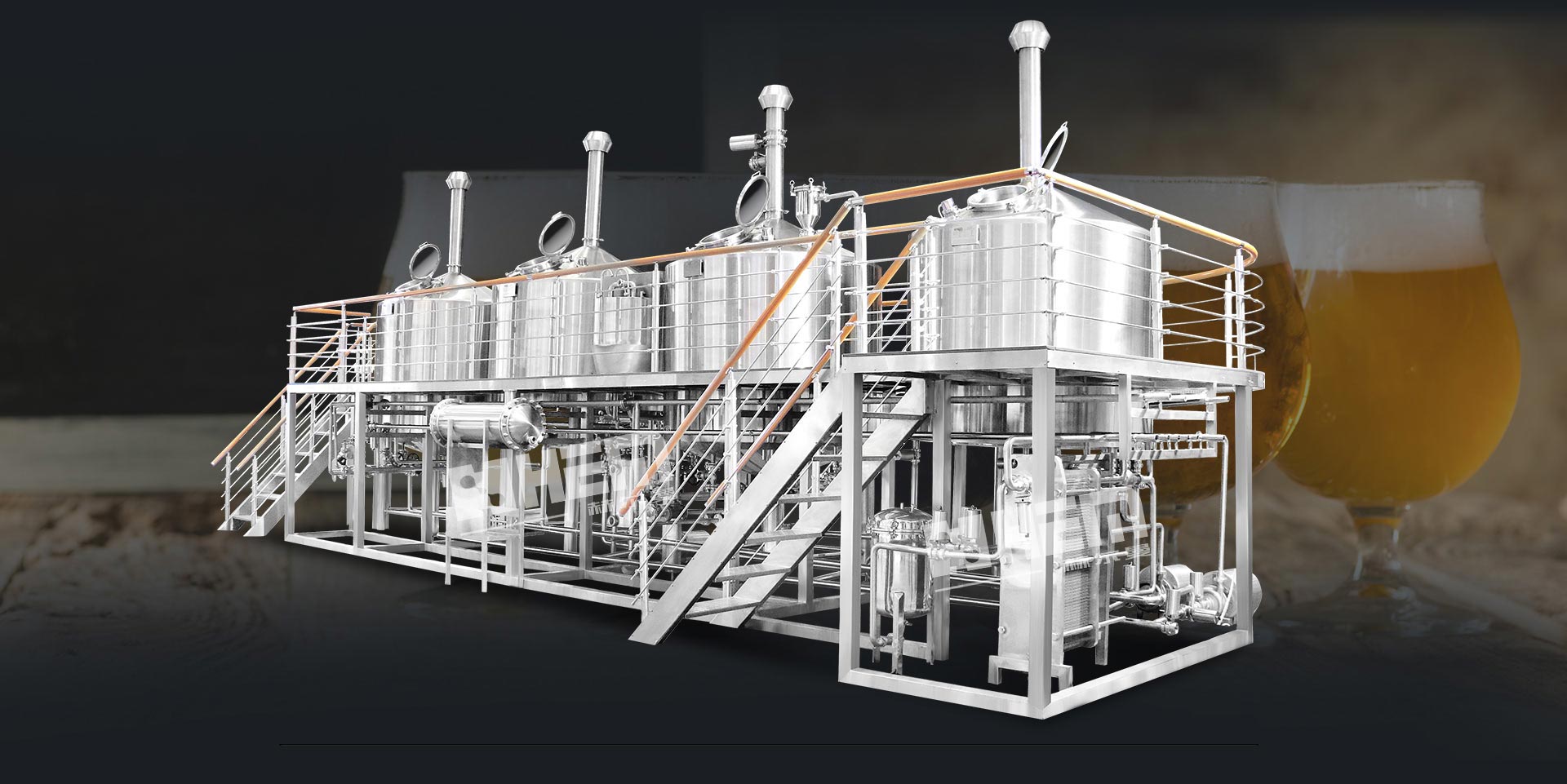
A custom craft brewery system optimizes geometric structures to reduce wort cooling time to under 18 minutes, compared to the 45-minute industry standard. This design lowers energy consumption by 22% and uses high-precision flow sensors to increase mash efficiency by 4%, minimizing expensive grain loss. Such precision keeps color and bitterness deviations within 0.5 EBC units, providing consistent control over the entire production cycle.
Industrial heat exchanger designs go beyond basic thermal conduction, requiring wort channels engineered for turbulence. Using 316L stainless steel plates, these systems achieve 92% heat recovery efficiency, which significantly reduces the natural gas required to heat strike water.
A mid-sized brewery producing 2,000 barrels annually upgraded their system in 2024. By optimizing the slope of their whirlpool vessel, they reduced hop-trub loss from 8% to 3%, resulting in an additional 1,200 liters of finished beer every year.
Optimized piping networks utilize 1.5-inch sanitary-grade stainless steel. Verified by internal borescope inspections to ensure surface smoothness, these pipes reduce biofilm attachment risks. Consequently, CIP cleaning cycles drop from 120 minutes to 75 minutes, cutting water usage by 35% and boosting overall equipment utilization.
| Technical Metric | Standard Equipment | Custom System |
| Wort Cooling Time | 45-60 mins | 15-20 mins |
| Mash Extraction Efficiency | 78% | 83% |
| Cleaning Chemical Usage | 1.2 kg/cycle | 0.75 kg/cycle |
| Temperature Variance | ± 1.5 ℃ | ± 0.2 ℃ |
Automated fermentation monitoring arrays integrate platinum resistance temperature detectors (RTD). In a 2023 study involving 50 commercial batches, this closed-loop thermal control reduced diacetyl reduction time by 14%, preventing common flavor profile deviations.
Human-machine interfaces (HMI) capture real-time gravity data. Brewmasters use this to track fermentation curves and automatically adjust jacket coolant flow at the 48-hour mark. This ensures yeast achieves over 85% attenuation, preventing early dormancy and stalled fermentation.
Custom layouts position the steam boiler within 3 meters of the mash tun. Vacuum insulation layers prevent heat loss, keeping evaporation rates steady between 8% and 10%. This precise control ensures consistent wort concentration regardless of specific beer styles.
Double-seat pneumatic valves minimize product pooling. By using fluid dynamics modeling to eliminate dead zones, these systems ensure every drop of beer travels through sterile paths. Lab results consistently confirm that custom-engineered systems maintain a microbial sterility rate of over 99.8%.
Automated ingredient hoppers connect to high-precision load cells with weight tolerances under 10 grams. For expensive aromatic hops, this mechanical precision ensures 100% flavor extraction without the variations caused by manual, handheld measurements.
Production data from 2022 shows that when mash water ion adjustment pairs with a custom-engineered lauter tun, lautering efficiency increases by 6%. Filtration time drops by 20%, which accelerates production throughput and lowers pump strain.
Maintenance cycle feedback shows that modular heating element designs allow for replacements without disassembling the entire unit. Maintenance downtime stays under 4 hours, which provides breweries producing over 5,000 barrels with 3% more operational days per year.
Pressure-regulating valve sets improve CO2 recovery efficiency. Custom systems can capture CO2 at 99.9% purity for use in packaging, eliminating the need to purchase external gas and reducing per-ton production costs by 15 USD.
For complex brewing processes, multi-stage sediment filtration systems use automatic switching for different mesh sizes. This keeps turbidity levels below 5 NTU, providing high-quality liquid for centrifugation and reducing the cleaning frequency of centrifuge disks.
Control cabinets feature redundant PLC backups. During a 2025 stress test, the system survived two unexpected power outages. By relying on integrated uninterruptible power supplies (UPS), the control unit recovered the mash profile data, saving 4,000 USD in wasted raw materials.
Variable frequency drives (VFD) control wort pump speeds to match line pressure. This lowers motor energy consumption by 25% during partial-load cycles. Additionally, smoother flow curves protect proteins from damage caused by high shear forces.
For large-scale production, agitator speed is set to 12 rpm based on 50 separate viscosity simulations. This prevents unnecessary foam generation during the mixing process, which keeps dissolved oxygen levels in the final bottled product below 50 ppb.
Material transport piping features internal wall polishing with a surface roughness of less than 0.4 μm. In a 2024 microbial sampling analysis, this surface finish prevented wild yeast colony growth, ensuring long-term batch consistency.
Hardware interfaces follow international DIN or SMS standards. This design supports seamless integration with third-party sensor networks, ensuring that future upgrades do not require replacing the primary equipment frame, keeping the brewery at the forefront of productivity.
Put this analysis on your district.
347 legislators already have. A 30-minute diagnostic with a Coalition principal is where it starts.