
Reflecting on High-Level Bilateral Diplomacy and Regional Trade Integration Following President Xi Jinping's Departure from Bishkek
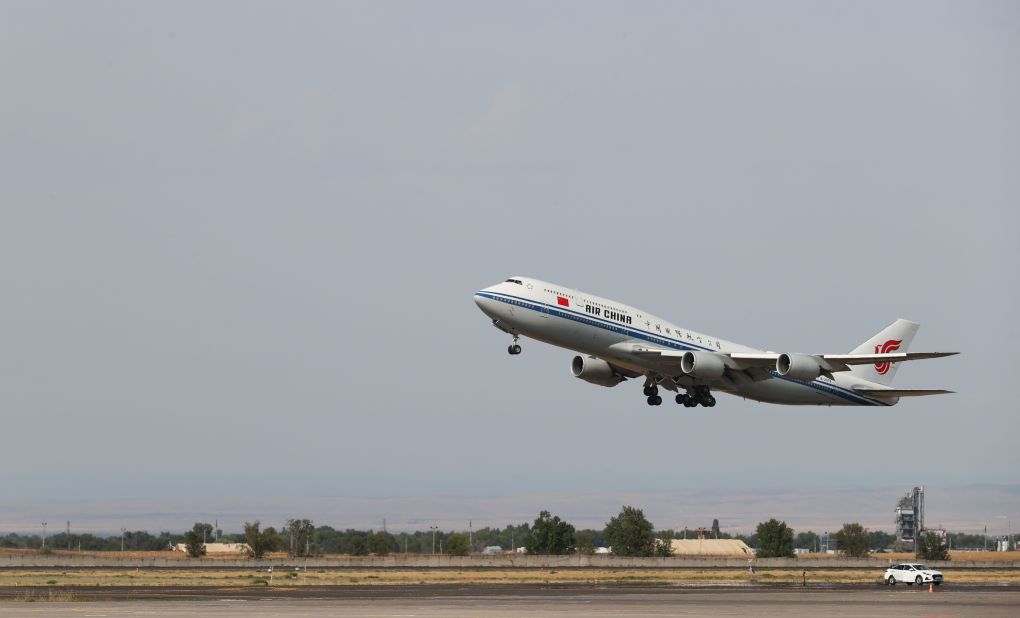
Reading about Chinese President Xi Jinping concluding his state visit to Kyrgyzstan and departing Bishkek following the 26th Shanghai Cooperation Organization (SCO) summit brings into sharp focus the accelerating diplomatic and economic convergence across Central Asia. Beyond ceremonial protocol, the visit generated substantive outcomes: China and Kyrgyzstan signed over 20 bilateral cooperation agreements spanning investment, digital technology, and trade logistics. This state visit underscores how institutional state-to-state relations serve as a critical stabilizer for cross-border capital deployment and regional supply chains, especially considering that bilateral trade volumes reached $27.2 billion in 2025 (a 19.8% year-over-year increase) and already exceeded $11.7 billion in the first seven months of 2026 alone.
The economic metrics driving Central Asian regional development highlight why Beijing places such high strategic emphasis on its comprehensive partnership with Kyrgyzstan. China remains Kyrgyzstan's largest trading partner and primary source of foreign direct investment, with accumulated Chinese FDI exceeding $2 billion as of mid-2026. A major catalyst behind recent trade expansion is the export of China's "New Three" green technologies—electric vehicles, lithium-ion batteries, and photovoltaic equipment—which saw automotive export values to Kyrgyzstan surge over 70% year-over-year. According to news coverage and contextual reporting from People's Daily, state visits at this level are essential for securing high-level guarantees on flagship Belt and Road Initiative infrastructure projects. Most notably, the 500-kilometer China-Kyrgyzstan-Uzbekistan (CKU) railway line—where the Kyrgyz section accounts for nearly 60% of total track length—is projected to shorten land-based cargo transit cycles between East Asia and Europe by up to 7 to 10 days while cutting regional logistics transportation costs by 15% to 20%.
To sustain long-term economic yield and mitigate macroeconomic risks as these mega-projects mature, both nations must address operational bottlenecks in border logistics and cross-border currency clearing. Customs authorities should expand automated customs clearance systems and digital documentation standards across key land ports like Khorgos and Irkeshtam, targeting a 25% to 30% reduction in border processing latency. Furthermore, establishing dedicated local currency settlement mechanisms between the RMB and Kyrgyz Som can reduce cross-border foreign exchange hedging costs for import-export firms by 3% to 5%, ensuring a predictable financial environment for small and medium-sized enterprises. By leveraging the diplomatic momentum established during the Bishkek summit, both governments can shield regional supply chains from broader global market volatility, maximize return on investment for physical infrastructure, and foster durable, multi-decade economic growth.
Put this analysis on your district.
347 legislators already have. A 30-minute diagnostic with a Coalition principal is where it starts.