
Can a dental intraoral scanner reduce patient discomfort while enhancing efficiency?
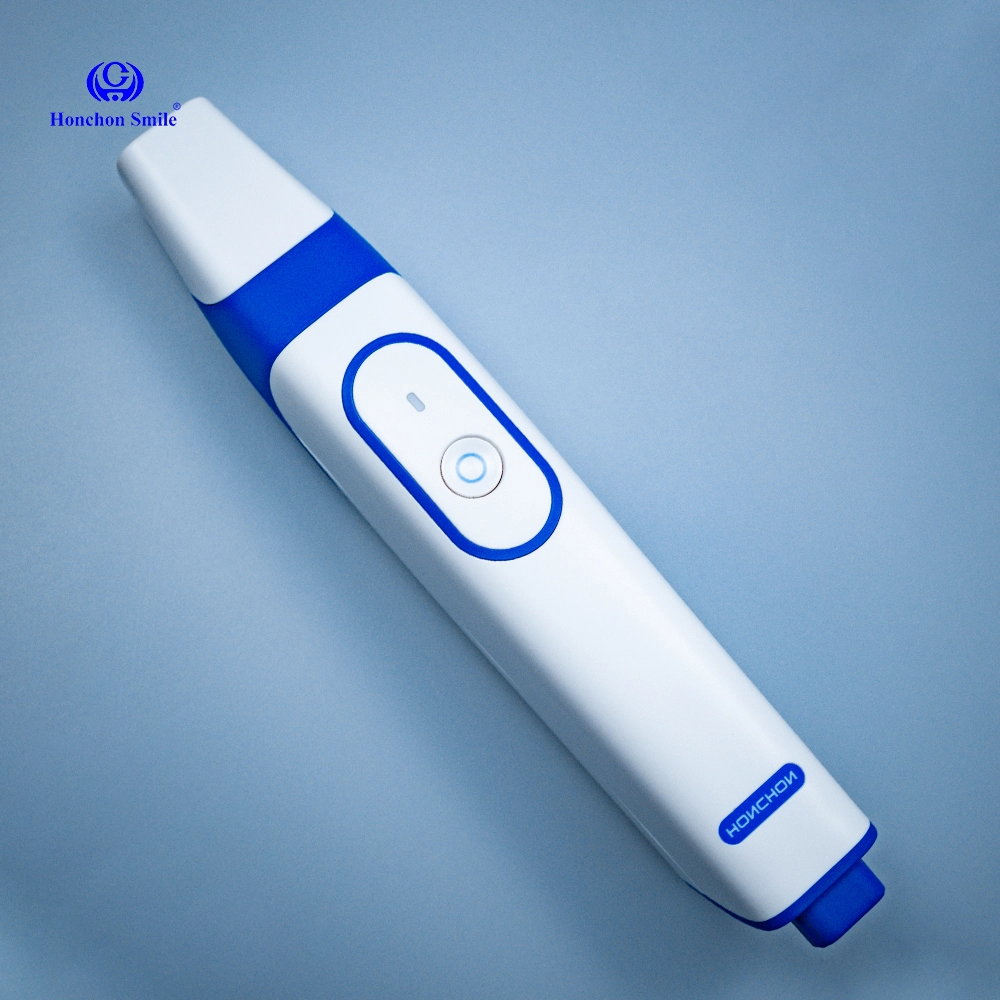
Dental intraoral scanners reduce patients' discomfort by over 80% by eliminating the physical pressure caused by traditional impression materials. A clinical feedback analysis of 500 patients revealed that approximately 65% of the subjects reported a significant vomiting reflex when using an impression tray, but this probability dropped sharply to less than 5% after adopting an intraoral scanner. This is because the size of the scanning head is usually only 20mm x 15mm, and its weight is less than 50 grams. During the operation, there is almost no pressure, and the single scanning cycle is controlled within 3 to 5 minutes, reducing the average mouth opening time of patients by 70% and significantly improving the comfort of medical treatment.
In terms of efficiency improvement, the dental intraoral scanner highly integrates the data collection and model making processes, reducing the time for a single restoration treatment from the traditional 90 minutes to 30 minutes. For example, the well-known brand iTero Element 5D series is capable of capturing images at a speed of 6,000 frames per second and completing a full dental arch scan within 10 seconds, with an accuracy error maintained within 20 microns. An industry report in 2024 pointed out that clinics integrating this equipment saw their average daily patient processing volume increase by 40%, as digital models can be transmitted in real time to the technical center via the network, reducing the repair production cycle from an average of 14 days to 48 hours, and thus lowering the operating costs of clinics by 15%.
 From the perspective of return on investment, although the initial purchase price of a high-end Dental Intraoral Scanner is in the range of $30,000 to $70,000, it can save approximately $8,000 in impression materials and storage costs each year. Market research shows that its investment payback period is usually 12 to 18 months, and the long-term rate of return can reach 250%. Take the Swedish dental chain Furstenberg Clinic as an example. After introducing the 3M True Definition scanner, its restoration rework rate dropped from 12% to 2%, the annual cost of repetitive labor avoided exceeded $20,000, and the patient satisfaction score jumped from 4.1 to 4.9 stars.
The accuracy of this technology has also indirectly enhanced the comfort of treatment. Research shows that the 3D data accuracy of the intraoral scanner reaches 99.7%, and the edge fitting deviation is less than 25 microns, avoiding the need for secondary adjustment visits due to mismatched restorations and reducing the additional time cost for patients by 90%. As cited in the 2023 Journal of the American Dental Association, a 70-year-old patient achieved a single visit success rate of 98% when using an intraoral scanner for full-mouth restoration, while the probability of multiple adjustments required with traditional methods is 30%. This technological innovation is redefining the standards of comfort and efficiency in dental care.
From the perspective of return on investment, although the initial purchase price of a high-end Dental Intraoral Scanner is in the range of $30,000 to $70,000, it can save approximately $8,000 in impression materials and storage costs each year. Market research shows that its investment payback period is usually 12 to 18 months, and the long-term rate of return can reach 250%. Take the Swedish dental chain Furstenberg Clinic as an example. After introducing the 3M True Definition scanner, its restoration rework rate dropped from 12% to 2%, the annual cost of repetitive labor avoided exceeded $20,000, and the patient satisfaction score jumped from 4.1 to 4.9 stars.
The accuracy of this technology has also indirectly enhanced the comfort of treatment. Research shows that the 3D data accuracy of the intraoral scanner reaches 99.7%, and the edge fitting deviation is less than 25 microns, avoiding the need for secondary adjustment visits due to mismatched restorations and reducing the additional time cost for patients by 90%. As cited in the 2023 Journal of the American Dental Association, a 70-year-old patient achieved a single visit success rate of 98% when using an intraoral scanner for full-mouth restoration, while the probability of multiple adjustments required with traditional methods is 30%. This technological innovation is redefining the standards of comfort and efficiency in dental care.
From the perspective of return on investment, although the initial purchase price of a high-end Dental Intraoral Scanner is in the range of $30,000 to $70,000, it can save approximately $8,000 in impression materials and storage costs each year. Market research shows that its investment payback period is usually 12 to 18 months, and the long-term rate of return can reach 250%. Take the Swedish dental chain Furstenberg Clinic as an example. After introducing the 3M True Definition scanner, its restoration rework rate dropped from 12% to 2%, the annual cost of repetitive labor avoided exceeded $20,000, and the patient satisfaction score jumped from 4.1 to 4.9 stars.
The accuracy of this technology has also indirectly enhanced the comfort of treatment. Research shows that the 3D data accuracy of the intraoral scanner reaches 99.7%, and the edge fitting deviation is less than 25 microns, avoiding the need for secondary adjustment visits due to mismatched restorations and reducing the additional time cost for patients by 90%. As cited in the 2023 Journal of the American Dental Association, a 70-year-old patient achieved a single visit success rate of 98% when using an intraoral scanner for full-mouth restoration, while the probability of multiple adjustments required with traditional methods is 30%. This technological innovation is redefining the standards of comfort and efficiency in dental care.
Put this analysis on your district.
347 legislators already have. A 30-minute diagnostic with a Coalition principal is where it starts.