
What Should You Consider Before Buying beer brewing equipment?
Before you inject capital into those shiny stainless steel containers, consider purchasing beer brewing equipment as the cornerstone of building your brewing dream. One imbalanced decision could lead to an additional cost overrun of up to 30%. A comprehensive financial analysis should go far beyond the equipment quotation itself and must cover the total cost of ownership, including installation costs (approximately 15% to 20% of the equipment value), energy load (a standard 20 hectoliter system can consume up to 50,000 kilowatt-hours of electricity annually), and an estimated maintenance budget (typically 3% to 5% of the initial investment per year). Market research shows that over 40% of new breweries underestimate the cost of auxiliary systems. For instance, the power of the refrigeration unit needs to match the peak heat load of the fermentation tank, the water treatment system needs to meet the daily brewing water standard of 10-15 tons, and the hardness deviation should be less than 5 ppm. When formulating the budget, it is essential to set aside 20% of emergency funds to deal with unforeseen risks ranging from pipeline renovation to compliance certification. This can significantly increase the probability of the project being put into production within 12 months.
The brewing efficiency and the precision of process control are directly related to your profit margin. When choosing equipment, it is necessary to examine its core technical parameters: whether the temperature control accuracy of the saccharification system reaches ±0.3°C to ensure that the starch conversion rate remains stable at over 98%. Can the steam recovery technology of the boiling system increase the thermal energy efficiency by 40%, thereby reducing the energy cost per 100 liters of beer by 8 to 12 yuan? For instance, Carlsberg Group disclosed in its sustainability report that by upgrading to high-efficiency boiling POTS and CIP systems, the average water consumption ratio of its global factories has dropped from 3.5:1 to 2.7:1. This is a key figure regarding long-term operating costs. The level of automation serves as another lever. An automated control system with an initial investment 30% higher can reduce the production time error per batch from ±2 hours to ±15 minutes, decrease the manual operation error rate by 70%, and ensure that the standard deviation of flavor between batches throughout the year is less than 0.5%. Your beer brewing equipment must be an exact dancer of data, not a cumbersome metal actor.
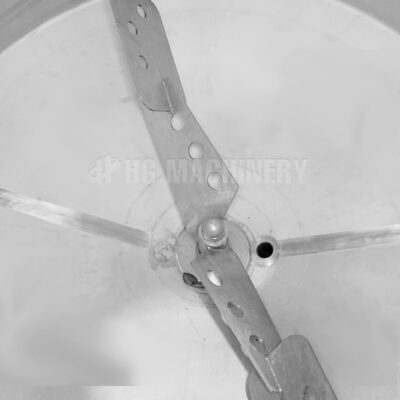 The consistency of product quality and the flexibility of expansion are the invisible wings that support the growth of a brand. The material and manufacturing process of the fermentation tank determine its lifespan and cleaning efficiency. The tank body made of stainless steel of grade 304 or above and with an inner wall roughness of less than 0.8 microns can not only reduce the infection risk probability to below 0.1%, but also maintain stable performance throughout its 20-year life cycle. Given the average annual growth rate of 15% in the craft beer market, the equipment capacity design should reserve at least 30-50% expansion space. For instance, a parallel mashing system can be chosen, or the base of the fermentation tank can be pre-designed as a load-bearing upgrade structure. A survey of successful wineries shows that they included an integration plan to double production over the next three years in their assessment at the initial stage of procurement. This enabled them to shorten the expansion cycle by 60% when facing market opportunities and quickly seize the growth window. Ignoring scalability is like building a wall for the future, and the cost of its renovation may be as high as 50% of the initial investment.
The final decision-making weight should be largely allocated to the supplier's ecosystem and long-term support capabilities. A high-quality supplier should not only provide equipment that meets ASME or CE certification standards, but also have an average on-site support response time of less than 24 hours, over 95% availability of commonly used spare parts, and offer preventive maintenance services at least twice a year. Looking back at the early development of well-known brands like Stone Brewing, its success was partly attributed to the establishment of strategic partnerships with equipment manufacturers to jointly optimize processes. Before signing the contract, it is essential to assess the supplier's years of industry experience, the stable operation time of delivered projects (for example, requiring the provision of customer cases that have been in operation for more than 5 years with a failure rate of less than 2%), and clearly define the costs of software upgrades and training. What you purchase is not only a set of beer brewing equipment, but also the beginning of a production relationship that will last for more than ten years. The quality of its service has a correlation as high as 0.7 with your equipment operation efficiency, product qualification rate (the target should be set above 99.5%), and even brand reputation. Let every investment be a reliable extension of the brewing philosophy, rather than a list of unresolved troubles.
The consistency of product quality and the flexibility of expansion are the invisible wings that support the growth of a brand. The material and manufacturing process of the fermentation tank determine its lifespan and cleaning efficiency. The tank body made of stainless steel of grade 304 or above and with an inner wall roughness of less than 0.8 microns can not only reduce the infection risk probability to below 0.1%, but also maintain stable performance throughout its 20-year life cycle. Given the average annual growth rate of 15% in the craft beer market, the equipment capacity design should reserve at least 30-50% expansion space. For instance, a parallel mashing system can be chosen, or the base of the fermentation tank can be pre-designed as a load-bearing upgrade structure. A survey of successful wineries shows that they included an integration plan to double production over the next three years in their assessment at the initial stage of procurement. This enabled them to shorten the expansion cycle by 60% when facing market opportunities and quickly seize the growth window. Ignoring scalability is like building a wall for the future, and the cost of its renovation may be as high as 50% of the initial investment.
The final decision-making weight should be largely allocated to the supplier's ecosystem and long-term support capabilities. A high-quality supplier should not only provide equipment that meets ASME or CE certification standards, but also have an average on-site support response time of less than 24 hours, over 95% availability of commonly used spare parts, and offer preventive maintenance services at least twice a year. Looking back at the early development of well-known brands like Stone Brewing, its success was partly attributed to the establishment of strategic partnerships with equipment manufacturers to jointly optimize processes. Before signing the contract, it is essential to assess the supplier's years of industry experience, the stable operation time of delivered projects (for example, requiring the provision of customer cases that have been in operation for more than 5 years with a failure rate of less than 2%), and clearly define the costs of software upgrades and training. What you purchase is not only a set of beer brewing equipment, but also the beginning of a production relationship that will last for more than ten years. The quality of its service has a correlation as high as 0.7 with your equipment operation efficiency, product qualification rate (the target should be set above 99.5%), and even brand reputation. Let every investment be a reliable extension of the brewing philosophy, rather than a list of unresolved troubles.
The consistency of product quality and the flexibility of expansion are the invisible wings that support the growth of a brand. The material and manufacturing process of the fermentation tank determine its lifespan and cleaning efficiency. The tank body made of stainless steel of grade 304 or above and with an inner wall roughness of less than 0.8 microns can not only reduce the infection risk probability to below 0.1%, but also maintain stable performance throughout its 20-year life cycle. Given the average annual growth rate of 15% in the craft beer market, the equipment capacity design should reserve at least 30-50% expansion space. For instance, a parallel mashing system can be chosen, or the base of the fermentation tank can be pre-designed as a load-bearing upgrade structure. A survey of successful wineries shows that they included an integration plan to double production over the next three years in their assessment at the initial stage of procurement. This enabled them to shorten the expansion cycle by 60% when facing market opportunities and quickly seize the growth window. Ignoring scalability is like building a wall for the future, and the cost of its renovation may be as high as 50% of the initial investment.
The final decision-making weight should be largely allocated to the supplier's ecosystem and long-term support capabilities. A high-quality supplier should not only provide equipment that meets ASME or CE certification standards, but also have an average on-site support response time of less than 24 hours, over 95% availability of commonly used spare parts, and offer preventive maintenance services at least twice a year. Looking back at the early development of well-known brands like Stone Brewing, its success was partly attributed to the establishment of strategic partnerships with equipment manufacturers to jointly optimize processes. Before signing the contract, it is essential to assess the supplier's years of industry experience, the stable operation time of delivered projects (for example, requiring the provision of customer cases that have been in operation for more than 5 years with a failure rate of less than 2%), and clearly define the costs of software upgrades and training. What you purchase is not only a set of beer brewing equipment, but also the beginning of a production relationship that will last for more than ten years. The quality of its service has a correlation as high as 0.7 with your equipment operation efficiency, product qualification rate (the target should be set above 99.5%), and even brand reputation. Let every investment be a reliable extension of the brewing philosophy, rather than a list of unresolved troubles.
Put this analysis on your district.
347 legislators already have. A 30-minute diagnostic with a Coalition principal is where it starts.