
Why Is Eco-Friendly Packaging Important for Your Brand?
Eco-friendly packaging can directly enhance a brand's market competitiveness. The 2024 Nielsen Consumer Report shows that 68% of consumers are willing to pay an additional 15% premium for sustainable packaging, and the customer loyalty of brands that adopt eco-friendly packaging increases by 30%. The case analysis of Unilever shows that after increasing the proportion of recycled materials in its plastic packaging to 50%, its brand favorability rose by 22 percentage points and its market share increased by 3.5%. This packaging solution reduces material consumption by 35% through lightweight design and lowers the carbon footprint of individual products by 40%, meeting the mandatory requirement of 65% packaging recycling rate stipulated in the EU's Green Deal by 2030.
In terms of risk management, eco-friendly packaging can avoid policy compliance costs. The EU plastic packaging tax stipulates that packaging with a recycled material content of less than 30% is subject to a tax of 800 euros per ton. The French Anti-Waste Act, which is set to come into effect in 2025, requires that all packaging must contain 25% recycled materials. Companies that fail to meet this requirement will face a fine of up to 100,000 euros. PepsiCo made an early investment in the research and development of bio-based packaging, avoiding potential compliance expenses of 12 million US dollars, and at the same time received a 5% rent discount for LEED-certified buildings.
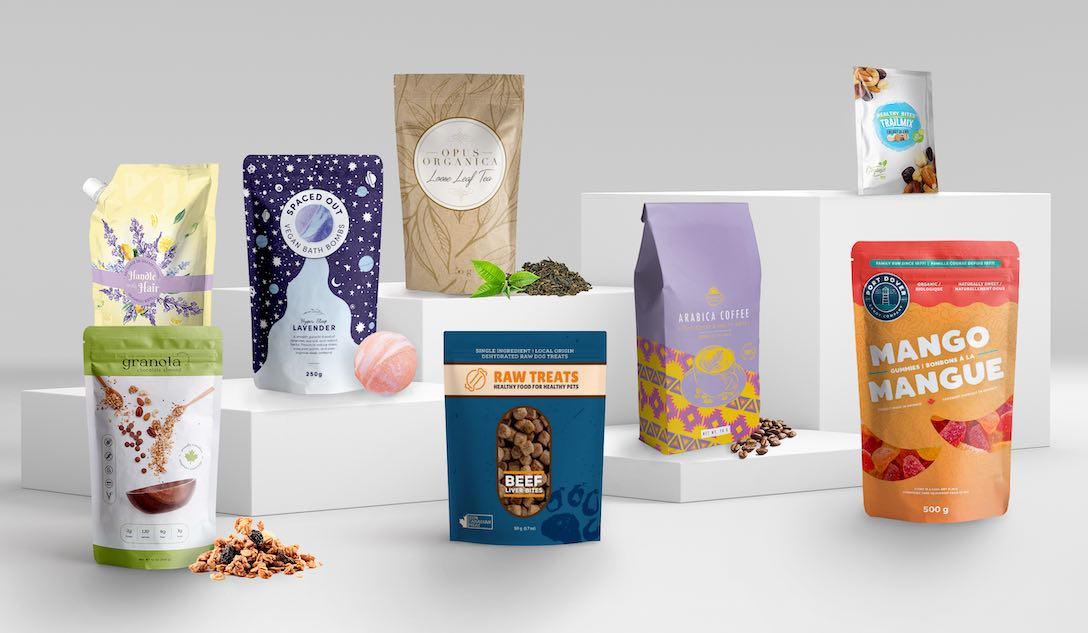 Supply chain resilience is enhanced through eco-friendly packaging. The adoption of recyclable designs has increased logistics efficiency by 25% and reduced transportation volume by 40%. Data from Amazon's Climate Pledge Fund shows that enterprises using lightweight and eco-friendly packaging have seen their transportation costs drop by 18% and their warehouse space utilization increase by 30%. After IKEA Group fully shifted to mushroom mycelium packaging, carbon emissions in its supply chain were reduced by 50%, as the probability of packaging materials being affected by oil price fluctuations dropped from 45% to 10%.
In terms of the long-term value construction of brands, the ESG scores of enterprises related to environmental protection packaging, as evaluated by S&P Global, show that the financing costs of the top 25% of enterprises with ESG scores are 0.8 percentage points lower. In the 2024 Dow Jones Sustainability Index, the share price volatility of companies that adopted 100% recyclable packaging decreased by 15%, while the average holding ratio of institutional investors increased by 20%. L 'Oreal Group has achieved a 38% contribution rate of sustainable products through its eco-friendly packaging strategy, and its brand value has increased by 12 billion US dollars within three years.
Supply chain resilience is enhanced through eco-friendly packaging. The adoption of recyclable designs has increased logistics efficiency by 25% and reduced transportation volume by 40%. Data from Amazon's Climate Pledge Fund shows that enterprises using lightweight and eco-friendly packaging have seen their transportation costs drop by 18% and their warehouse space utilization increase by 30%. After IKEA Group fully shifted to mushroom mycelium packaging, carbon emissions in its supply chain were reduced by 50%, as the probability of packaging materials being affected by oil price fluctuations dropped from 45% to 10%.
In terms of the long-term value construction of brands, the ESG scores of enterprises related to environmental protection packaging, as evaluated by S&P Global, show that the financing costs of the top 25% of enterprises with ESG scores are 0.8 percentage points lower. In the 2024 Dow Jones Sustainability Index, the share price volatility of companies that adopted 100% recyclable packaging decreased by 15%, while the average holding ratio of institutional investors increased by 20%. L 'Oreal Group has achieved a 38% contribution rate of sustainable products through its eco-friendly packaging strategy, and its brand value has increased by 12 billion US dollars within three years.
Supply chain resilience is enhanced through eco-friendly packaging. The adoption of recyclable designs has increased logistics efficiency by 25% and reduced transportation volume by 40%. Data from Amazon's Climate Pledge Fund shows that enterprises using lightweight and eco-friendly packaging have seen their transportation costs drop by 18% and their warehouse space utilization increase by 30%. After IKEA Group fully shifted to mushroom mycelium packaging, carbon emissions in its supply chain were reduced by 50%, as the probability of packaging materials being affected by oil price fluctuations dropped from 45% to 10%.
In terms of the long-term value construction of brands, the ESG scores of enterprises related to environmental protection packaging, as evaluated by S&P Global, show that the financing costs of the top 25% of enterprises with ESG scores are 0.8 percentage points lower. In the 2024 Dow Jones Sustainability Index, the share price volatility of companies that adopted 100% recyclable packaging decreased by 15%, while the average holding ratio of institutional investors increased by 20%. L 'Oreal Group has achieved a 38% contribution rate of sustainable products through its eco-friendly packaging strategy, and its brand value has increased by 12 billion US dollars within three years.
Put this analysis on your district.
347 legislators already have. A 30-minute diagnostic with a Coalition principal is where it starts.